01 · Input
Problem StoryAI & Commerce
The Catalogue Bottleneck
A saree retailer had an efficient supply chain. But retail margins stayed low.
The real problem was not demand.
It was product perception.
The real problem
Premium products.Weak presentation.
The retailer already had reliable supply, steady inventory and an existing customer base.
But every new arrival was presented through quickly captured product photos and sold primarily through lower-margin retail channels.
The business was creating value. It was not capturing enough of it.
- 01Reliable supply
- 02Steady inventory
- 03Quick product photos
- 04Products looked less valuable than they were.
- 05Harder to justify premium pricing
- 06Lower retail margins
- 07Repeat
The intervention
We redesigned catalogue production to improve how the business sold.
Simple product references became studio-style images and videos that could be reviewed, added to the WhatsApp catalogue and sold directly at more premium prices.
02 · Create
The product was translated into studio-style model imagery and video without another full production cycle.
Image generation · Video generation · Art direction03 · Prepare
The outputs were reviewed and formatted for catalogue, channel and promotional use.
Catalogue assets · Product video · Human review04 · Sell direct
Premium assets were uploaded to WhatsApp and used to support higher-value direct sales.
WhatsApp catalogue · Customer channel · Premium pricingThe system in use
From quick product photos to premium sales assets.
A set of self-shot product references became a complete suite of studio-style images and video for direct catalogue selling.
01 · Original product references
Self-shot product photos
Quick references were enough to show the saree, but not enough to build premium perception online.


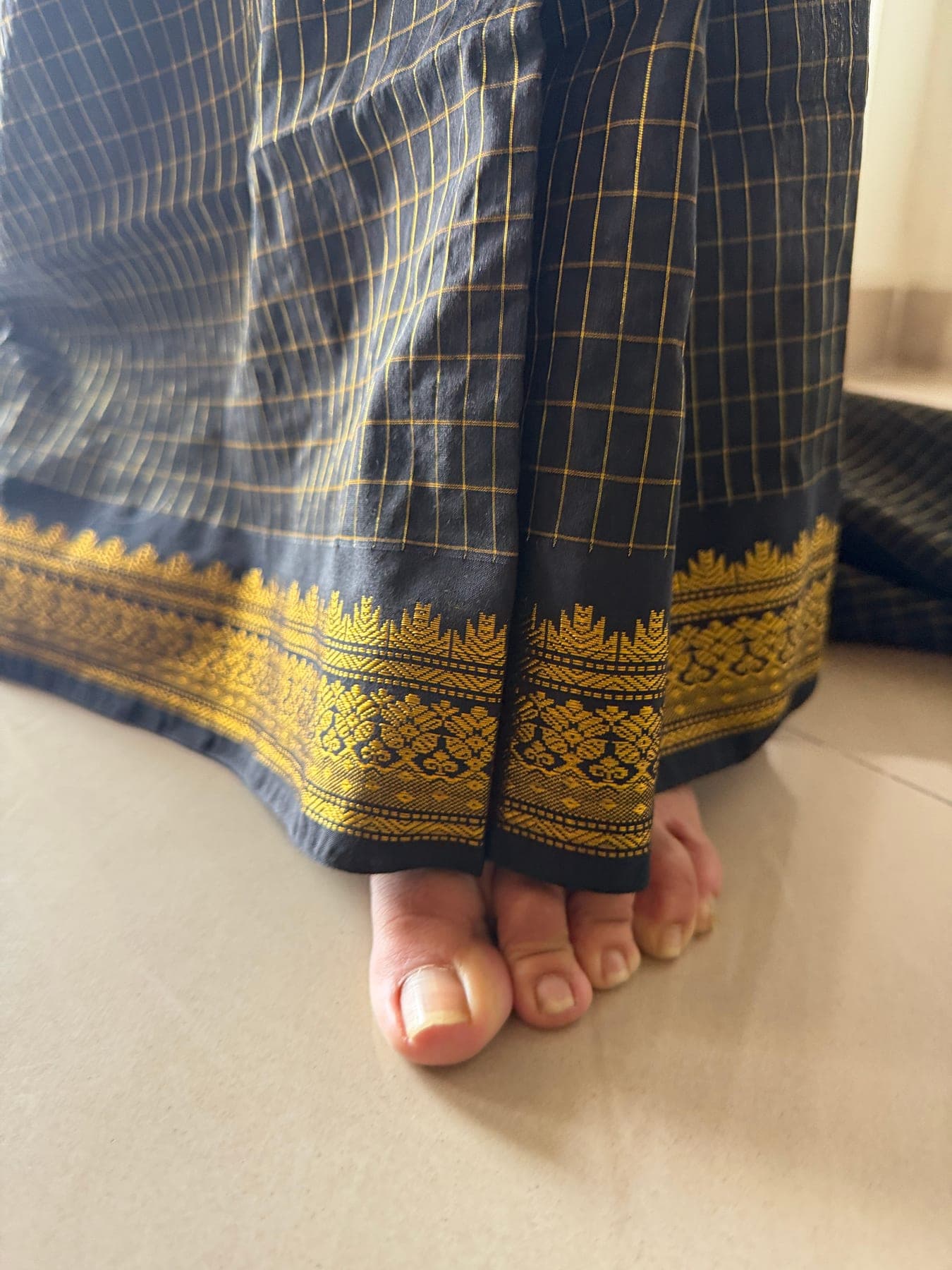
Original input: Three product references captured without a professional shoot.
02 · AI-generated catalogue imagery
Studio-style product imagery
The same saree became a consistent set of model-led visuals with stronger art direction and product context.




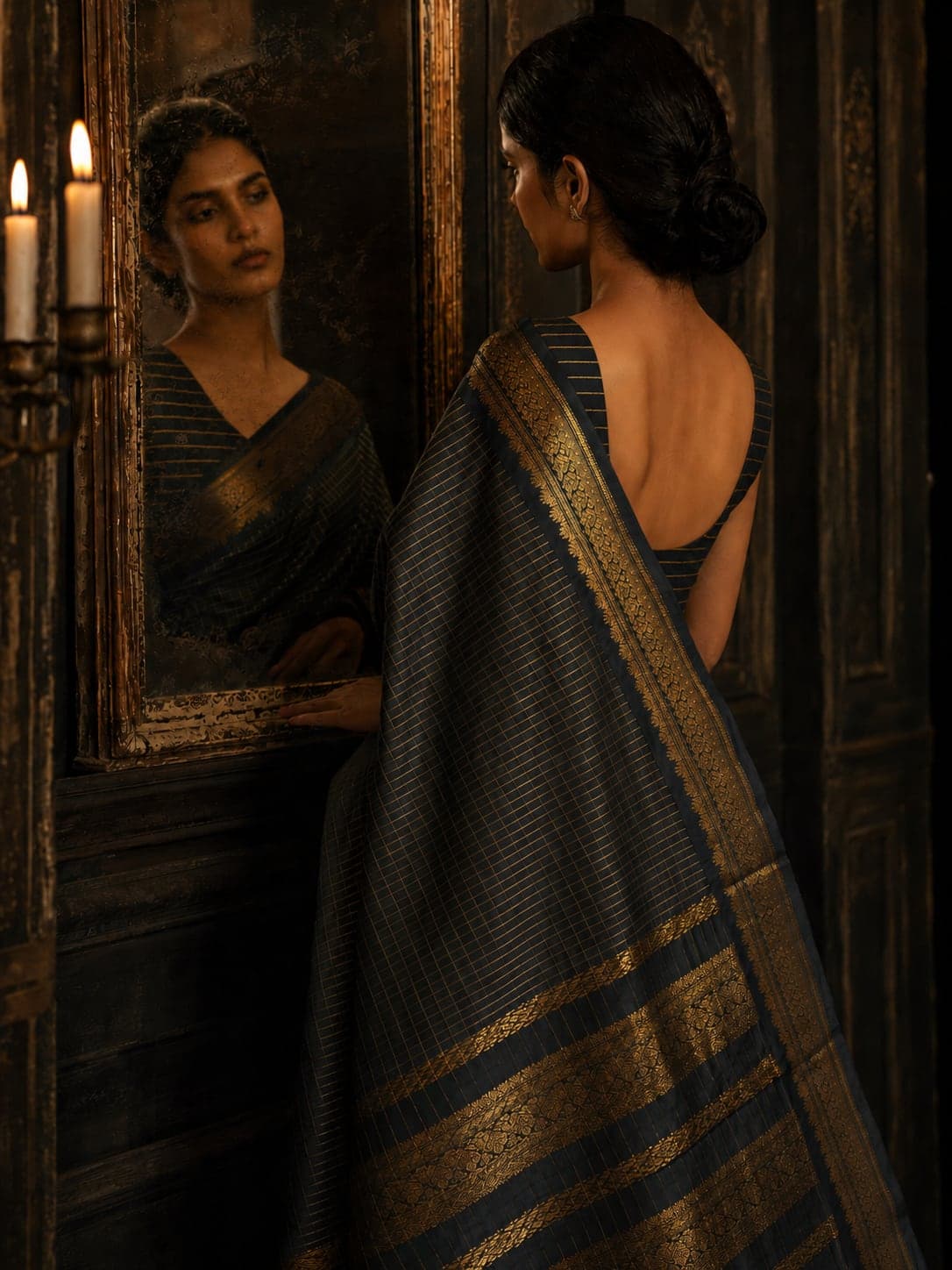
Actual project outputs: One product translated into multiple compositions, crops and selling formats.
03 · Generated product video
The product became video too.
The same visual direction was extended into motion for catalogue launches and customer sharing.
Generated product video: A motion asset created from the same product references and visual direction.
04 · Catalogue ready
Reviewed. Uploaded. Ready to sell.
The system accelerated asset creation. Publishing and final approval remained human-controlled.
- Images and video
- Human review
- Formatted for selling
- Uploaded to WhatsApp
- Shared with existing customers
The impact
Better assets.Better margins.
Faster catalogue production
New product assets could be prepared without waiting for another traditional shoot cycle.
Lower production dependency
The retailer could create stronger sales assets without coordinating a full model-led shoot for every arrival.
Stronger product perception
Consistent studio-style presentation helped the products feel more premium online.
Higher average prices
Improved presentation supported more premium direct selling and helped increase average product prices.
What this project reinforced
The goal was not better images.It was a better-margin business.
The real shift was pricing confidence: the catalogue could finally support what the products were worth.